The Role of AI in Radiology Today

Artificial Intelligence (AI) is transforming various sectors, and radiology is no exception. As healthcare continues to evolve, the integration of AI technologies into radiology practices is reshaping how radiologists diagnose and treat patients. This blog post explores the current role of AI in radiology, its benefits, challenges, and future implications.
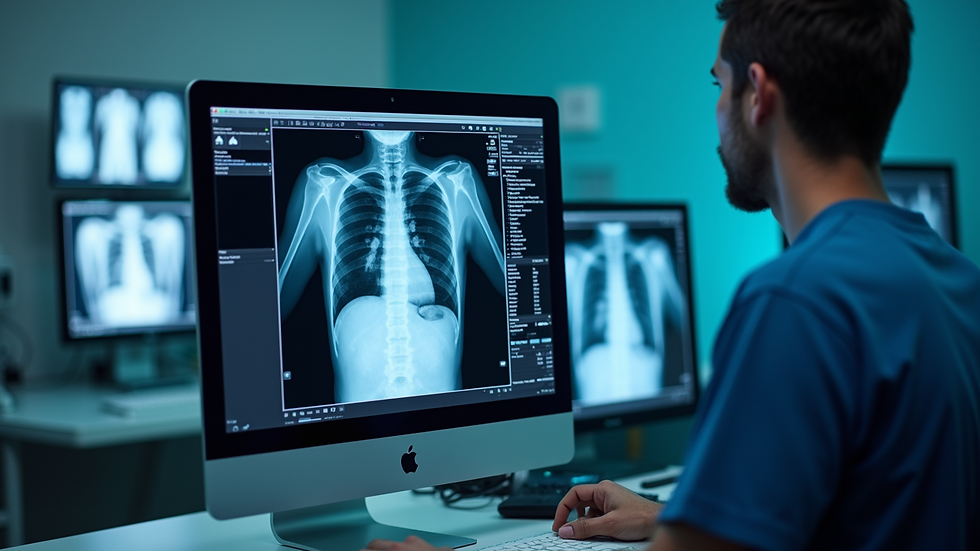
Understanding AI in Radiology
AI in radiology primarily involves the use of machine learning algorithms and deep learning techniques to analyze medical images. These technologies can assist radiologists in detecting abnormalities, diagnosing diseases, and predicting patient outcomes. By processing vast amounts of data, AI can identify patterns that may not be immediately visible to the human eye.
Key Technologies in AI Radiology
Machine Learning: This subset of AI uses algorithms to learn from data. In radiology, machine learning can help in image classification, segmentation, and anomaly detection.
Deep Learning: A more advanced form of machine learning, deep learning uses neural networks to analyze images. It excels in tasks such as identifying tumors in mammograms or detecting fractures in X-rays.
Natural Language Processing (NLP): NLP can be used to analyze radiology reports and extract relevant information, making it easier for radiologists to access patient histories and previous diagnoses.
Benefits of AI in Radiology
The integration of AI into radiology offers numerous advantages:
Enhanced Accuracy
AI algorithms can improve diagnostic accuracy by reducing human error. For instance, studies have shown that AI can match or even surpass human radiologists in detecting certain conditions, such as lung cancer in CT scans.
Increased Efficiency
AI can automate routine tasks, allowing radiologists to focus on more complex cases. For example, AI can quickly analyze thousands of images, flagging those that require further review. This efficiency can lead to faster diagnosis and treatment for patients.
Improved Patient Outcomes
With AI's ability to detect diseases at earlier stages, patients can receive timely interventions. Early detection often leads to better treatment outcomes, particularly in conditions like cancer where early-stage treatment can significantly improve survival rates.
Cost Reduction
By streamlining workflows and reducing the time spent on image analysis, AI can help lower operational costs in radiology departments. This can lead to more affordable healthcare services for patients.
Challenges of Implementing AI in Radiology
Despite its potential, the adoption of AI in radiology is not without challenges:
Data Privacy Concerns
The use of AI requires access to large datasets, which raises concerns about patient privacy and data security. Ensuring compliance with regulations like HIPAA is crucial for maintaining patient trust.
Integration with Existing Systems
Integrating AI tools into existing radiology workflows can be complex. Radiology departments must ensure that new technologies work seamlessly with current imaging systems and electronic health records.
Need for Training
Radiologists must be trained to work alongside AI tools effectively. This includes understanding how to interpret AI-generated results and knowing when to rely on human judgment.
Ethical Considerations
The use of AI in healthcare raises ethical questions, such as accountability in case of misdiagnosis. Establishing clear guidelines and standards for AI use in radiology is essential to address these concerns.
Real-World Applications of AI in Radiology
Several healthcare institutions have successfully implemented AI technologies in their radiology departments. Here are a few notable examples:
Stanford University
Stanford's AI research team developed an algorithm that can detect pneumonia in chest X-rays with an accuracy comparable to that of expert radiologists. This tool has the potential to assist in diagnosing pneumonia in areas with limited access to healthcare professionals.
Zebra Medical Vision
Zebra Medical Vision has created a suite of AI algorithms that analyze medical imaging data to detect various conditions, including cardiovascular diseases and cancers. Their technology is already being used in hospitals worldwide to enhance diagnostic capabilities.
Aidoc
Aidoc offers an AI-powered platform that assists radiologists in identifying critical conditions in real-time. Their algorithms can flag abnormalities in CT scans, allowing for quicker intervention in emergencies, such as detecting brain hemorrhages.
The Future of AI in Radiology
As AI technology continues to advance, its role in radiology is expected to expand further. Here are some potential future developments:
Personalized Medicine
AI could play a significant role in personalized medicine by analyzing patient data to tailor treatment plans. This could lead to more effective therapies based on individual patient profiles.
Continuous Learning
AI systems can be designed to learn continuously from new data, improving their accuracy over time. This means that as more images are analyzed, the algorithms will become better at detecting subtle changes and anomalies.
Collaboration Between AI and Radiologists
The future of radiology may not be a replacement of radiologists by AI but rather a collaboration. AI can serve as a powerful tool that enhances the capabilities of radiologists, allowing them to make more informed decisions.
Regulatory Frameworks
As AI becomes more prevalent in healthcare, regulatory bodies will need to establish guidelines to ensure the safe and effective use of these technologies. This includes evaluating the performance of AI algorithms and ensuring they meet clinical standards.
Conclusion
AI is revolutionizing the field of radiology, offering enhanced accuracy, efficiency, and improved patient outcomes. While challenges remain, the potential benefits of integrating AI into radiology practices are significant. As technology continues to evolve, radiologists must adapt and embrace these innovations to provide the best possible care for their patients. The future of radiology lies in the collaboration between human expertise and AI capabilities, paving the way for a new era in medical imaging.
By staying informed and engaged with these developments, radiologists can ensure they are at the forefront of this exciting transformation in healthcare.


Comments