Innovative Teleradiology Solutions for Modern Healthcare

The healthcare landscape is evolving rapidly, driven by advancements in technology and the increasing demand for efficient patient care. One area that has seen significant innovation is teleradiology, which allows radiologists to interpret medical images remotely. This capability not only enhances the speed and accuracy of diagnoses but also expands access to quality healthcare services, especially in underserved areas. In this blog post, we will explore the innovative teleradiology solutions that are shaping modern healthcare, their benefits, challenges, and future prospects.
Understanding Teleradiology
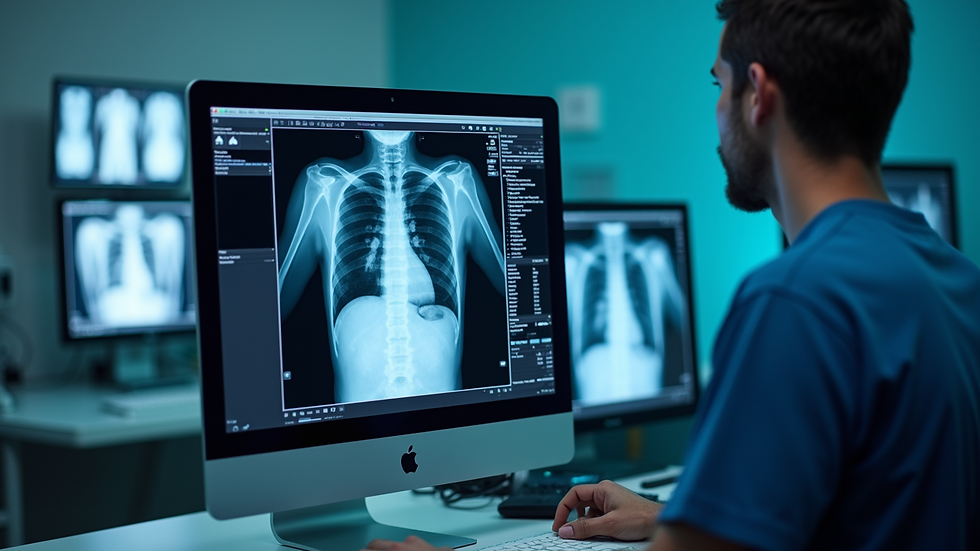
Teleradiology is the process of transmitting radiological images, such as X-rays, CT scans, and MRIs, from one location to another for interpretation by a radiologist. This technology has been around for decades, but recent advancements have transformed it into a vital component of modern healthcare.
Key Components of Teleradiology
Image Acquisition: High-quality imaging equipment captures detailed images of patients.
Transmission: Images are securely transmitted over the internet to radiologists.
Interpretation: Radiologists analyze the images and provide reports to referring physicians.
Storage: Images and reports are stored in a secure database for future reference.
Benefits of Teleradiology
Teleradiology offers numerous advantages that contribute to improved patient outcomes and operational efficiency in healthcare facilities.
Enhanced Access to Specialists
One of the most significant benefits of teleradiology is the ability to connect patients with specialists regardless of geographical barriers. For instance, a rural clinic can send images to a radiologist in a metropolitan area, ensuring that patients receive expert evaluations without the need for travel.
Faster Diagnosis and Treatment
With teleradiology, images can be transmitted and interpreted quickly, leading to faster diagnoses. This speed is crucial in emergency situations where timely intervention can save lives. For example, a patient with a suspected stroke can have their CT scan reviewed by a specialist within minutes, allowing for immediate treatment.
Cost-Effectiveness
Teleradiology can reduce costs for healthcare facilities by minimizing the need for on-site radiologists. Hospitals can save on salaries and overhead costs while still providing high-quality imaging services. Additionally, patients save on travel expenses and time.
Improved Workflow Efficiency
Teleradiology streamlines the workflow in healthcare settings. Radiologists can work from remote locations, allowing for flexible schedules and the ability to manage a higher volume of cases. This efficiency can lead to reduced wait times for patients and improved satisfaction.
Challenges in Teleradiology
Despite its many benefits, teleradiology also faces several challenges that must be addressed to ensure its continued success.
Data Security and Privacy Concerns
The transmission of sensitive medical images raises concerns about data security and patient privacy. Healthcare providers must implement robust cybersecurity measures to protect patient information from breaches and unauthorized access.
Regulatory Compliance
Teleradiology services must comply with various regulations, including HIPAA in the United States. Ensuring compliance can be complex and requires ongoing training and monitoring.
Technical Issues
Technical challenges, such as internet connectivity and software compatibility, can hinder the effectiveness of teleradiology. Healthcare facilities must invest in reliable technology and infrastructure to support seamless image transmission and interpretation.
Innovative Teleradiology Solutions
Several innovative solutions are emerging in the teleradiology space, enhancing the capabilities and effectiveness of remote imaging services.
Artificial Intelligence in Image Analysis
Artificial intelligence (AI) is revolutionizing teleradiology by assisting radiologists in image interpretation. AI algorithms can analyze images for abnormalities, flagging potential issues for further review. This technology not only speeds up the diagnostic process but also helps reduce human error.
Cloud-Based Teleradiology Platforms
Cloud-based platforms are becoming increasingly popular in teleradiology. These platforms allow for secure storage and easy access to images and reports from anywhere with an internet connection. For example, a cloud-based solution can enable a radiologist to review images while traveling, ensuring that patient care is not interrupted.
Mobile Teleradiology Applications
Mobile applications are making teleradiology more accessible. Radiologists can use smartphones or tablets to receive and review images on the go. This flexibility allows for quicker consultations and decision-making, particularly in urgent cases.

Case Studies of Successful Teleradiology Implementation
To illustrate the impact of teleradiology, let’s look at a few case studies that highlight successful implementations.
Case Study 1: Rural Hospital Network
A network of rural hospitals in the Midwest implemented a teleradiology solution to address the shortage of on-site radiologists. By partnering with a teleradiology service, they were able to provide timely interpretations for their patients. As a result, the network reported a 30% reduction in patient wait times for imaging results and improved patient satisfaction scores.
Case Study 2: Emergency Department Efficiency
An urban hospital faced challenges in its emergency department due to high patient volumes and limited radiology staff. By integrating a teleradiology service, the hospital was able to have images interpreted remotely, leading to faster diagnoses. The emergency department saw a 25% increase in patient throughput, allowing them to serve more patients effectively.
Case Study 3: Telemedicine Integration
A telemedicine provider incorporated teleradiology into its services, allowing patients to receive remote consultations and imaging evaluations. This integration improved access to care for patients in remote areas, resulting in a 40% increase in telemedicine visits and a significant rise in patient engagement.
Future Trends in Teleradiology
As technology continues to advance, several trends are likely to shape the future of teleradiology.
Increased Use of AI and Machine Learning
The integration of AI and machine learning will become more prevalent in teleradiology. These technologies will enhance image analysis capabilities, allowing for more accurate and efficient diagnoses.
Expansion of Remote Monitoring
Remote monitoring technologies will complement teleradiology by enabling continuous patient observation. This integration will allow healthcare providers to respond quickly to changes in a patient’s condition, improving overall care.
Global Collaboration
Teleradiology will facilitate greater collaboration among healthcare providers worldwide. By sharing expertise and resources, radiologists can work together to improve patient outcomes, particularly in areas with limited access to specialized care.
Conclusion
Teleradiology is transforming the way healthcare is delivered, providing enhanced access to specialists, faster diagnoses, and improved efficiency. While challenges remain, innovative solutions are paving the way for a brighter future in remote imaging services. As healthcare continues to evolve, embracing teleradiology will be essential for meeting the demands of modern patient care.
By staying informed about the latest advancements and trends, healthcare providers can leverage teleradiology to improve patient outcomes and streamline operations. The future of healthcare is here, and teleradiology is at the forefront of this transformation.

Comments