Enhancing Diagnostics with Advanced Teleradiology Services

In the rapidly evolving field of healthcare, the demand for efficient and accurate diagnostic services has never been higher. Teleradiology, the transmission of radiological images via telecommunications, has emerged as a vital solution to meet this demand. By leveraging advanced teleradiology services, healthcare providers can enhance diagnostic accuracy, reduce turnaround times, and ultimately improve patient outcomes. This blog post will explore the benefits, challenges, and future of teleradiology, providing insights into how it is transforming the landscape of medical imaging.

Understanding Teleradiology
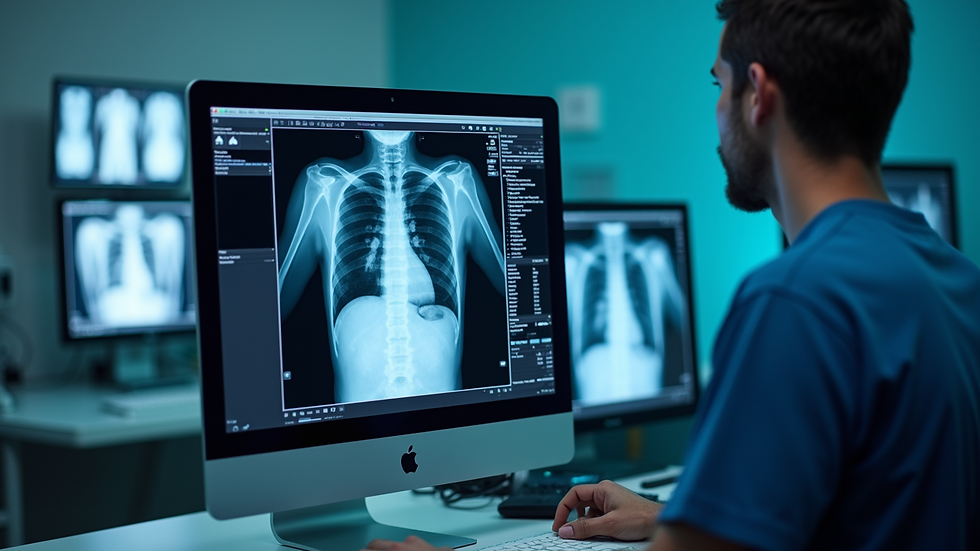
Teleradiology involves the electronic transmission of radiological images from one location to another for interpretation and diagnosis. This process allows radiologists to analyze images remotely, providing timely and accurate assessments regardless of geographical barriers.
Key Components of Teleradiology
Image Acquisition: High-quality imaging equipment captures radiological images, which are then digitized for transmission.
Transmission: Images are sent over secure networks to ensure patient confidentiality and data integrity.
Interpretation: Radiologists analyze the images using specialized software, providing reports that can be shared with referring physicians.
Integration: Teleradiology systems often integrate with electronic health records (EHR) for seamless access to patient information.
Benefits of Advanced Teleradiology Services
Improved Access to Expertise
One of the most significant advantages of teleradiology is the ability to access specialized expertise. In many regions, particularly rural or underserved areas, there may be a shortage of qualified radiologists. Teleradiology bridges this gap by connecting local healthcare providers with specialists who can offer their insights remotely.
Faster Turnaround Times
Timely diagnosis is crucial in many medical situations. Advanced teleradiology services can significantly reduce the time it takes to receive radiological interpretations. With the ability to transmit images instantly, healthcare providers can make quicker decisions regarding patient care.
Cost-Effectiveness
Implementing teleradiology can lead to cost savings for healthcare facilities. By reducing the need for on-site radiologists and optimizing workflow, hospitals can allocate resources more efficiently. Additionally, patients benefit from reduced travel costs and time associated with seeking specialized care.
Enhanced Collaboration
Teleradiology fosters collaboration among healthcare professionals. Radiologists can easily consult with other specialists, leading to more comprehensive patient care. This collaborative approach is particularly beneficial in complex cases where multiple opinions may be required.
Challenges in Teleradiology
While the benefits of teleradiology are substantial, there are also challenges that must be addressed.
Regulatory Compliance
Healthcare providers must navigate a complex landscape of regulations concerning patient privacy and data security. Ensuring compliance with laws such as the Health Insurance Portability and Accountability Act (HIPAA) is essential to protect patient information during transmission.
Technical Issues
Reliability of technology is critical in teleradiology. Issues such as network outages, software malfunctions, or image quality degradation can hinder the diagnostic process. Healthcare facilities must invest in robust IT infrastructure and support to mitigate these risks.
Training and Adaptation
Radiologists and healthcare staff must be adequately trained to use teleradiology systems effectively. This includes understanding the technology, interpreting images accurately, and maintaining patient confidentiality. Ongoing education and support are vital for successful implementation.
Future Trends in Teleradiology
As technology continues to advance, the future of teleradiology looks promising. Here are some trends to watch:
Artificial Intelligence Integration
Artificial intelligence (AI) is poised to revolutionize teleradiology by enhancing image analysis and interpretation. AI algorithms can assist radiologists in identifying abnormalities, leading to more accurate diagnoses and reducing the risk of human error.
Cloud-Based Solutions
Cloud technology is becoming increasingly popular in healthcare, including teleradiology. Cloud-based systems offer scalability, flexibility, and improved access to imaging data, allowing radiologists to work from virtually anywhere.
Increased Demand for Remote Services
The COVID-19 pandemic has accelerated the adoption of telehealth services, including teleradiology. As patients and providers become more accustomed to remote care, the demand for teleradiology services is expected to grow.
Conclusion
Advanced teleradiology services are transforming the way healthcare providers approach diagnostics. By improving access to expertise, reducing turnaround times, and fostering collaboration, teleradiology enhances patient care and outcomes. While challenges remain, the future of teleradiology is bright, with innovations such as AI and cloud technology paving the way for even greater advancements.
Healthcare providers should consider integrating teleradiology into their practices to stay competitive and provide the best possible care for their patients. Embracing these advanced services not only supports efficient diagnostics but also positions healthcare facilities at the forefront of medical innovation.

Comments